

The International Red Cross and Red Crescent Movement is a global humanitarian network of 80 million people that helps those facing disaster, conflict and health and social problems. It consists of the International Committee of the Red Cross, the International Federation of Red Cross and Red Crescent Societies and the 192 National Red Cross and Red Crescent Societies. The International…
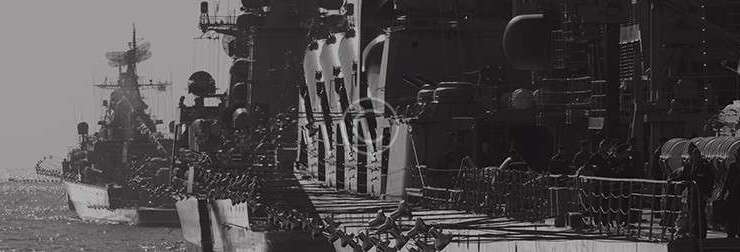
A navy, naval force, or maritime force is the branch of a nation’s armed forces principally designated for naval and amphibious warfare; namely, lake-borne, riverine, littoral, or ocean-borne combat operations and related functions. It includes anything conducted by surface ships, amphibious ships, submarines, and seaborne aviation, as well as ancillary support, communications, training, and other fields. The strategic offensive role…
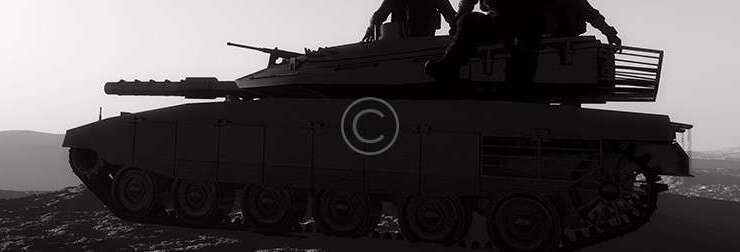
An army (from Latin arma “arms, weapons” via Old French armée, “armed” [feminine]), ground force or land force is a fighting force that fights primarily on land. In the broadest sense, it is the land-based military branch, service branch or armed service of a nation or state. It may also include aviation assets by possessing an army aviation component. Within…
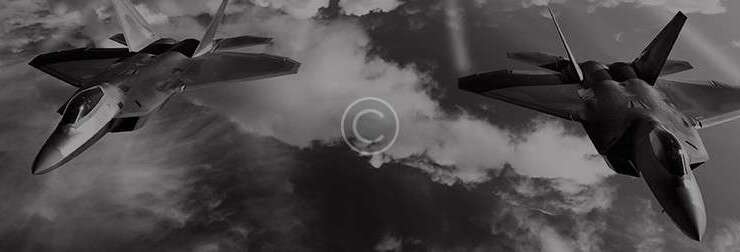
An air force – in the broadest sense – is the national military branch that primarily conducts aerial warfare.[1] More specifically, it is the branch of a nation’s armed services that is responsible for aerial warfare as distinct from an army or navy. Typically, air forces are responsible for gaining control of the air, carrying out strategic and tactical bombing…